Mastering Classroom Mental Maths: Essential Tools for Success
In today’s dynamic educational landscape, the ability for students to perform mental calculations quickly and accurately is more crucial than ever. Mental maths is not just about rote memorization; it’s about developing number sense, problem-solving skills, and building confidence. For educators seeking to foster these abilities, a well-curated set of classroom mental maths tools can be transformative. This guide will explore the most effective resources and strategies to integrate into your teaching practice, ensuring your students not only grasp mathematical concepts but also develop a fluency that will serve them throughout their academic careers and beyond.
Table of Contents
- Mastering Classroom Mental Maths: Essential Tools for Success
- Leveraging Digital Tools for Engaging Mental Maths Practice
- Interactive Whiteboard Games and Activities
- Online Math Games and Platforms
- Maths Apps for Mobile Devices
- The Enduring Power of Traditional Mental Maths Tools
- Flashcards and Visual Aids
- Number Lines and Manipulatives
- Whiteboards and Practice Sheets
- Integrating Mental Maths Tools into Daily Instruction
- Warm-Up Activities
- Differentiated Instruction
- Gamification and Competition
- Regular Assessment and Feedback
- Conclusion

Leveraging Digital Tools for Engaging Mental Maths Practice
The digital age offers a plethora of powerful tools that can make mental maths practice engaging and effective. These resources often provide instant feedback, adaptive learning paths, and gamified experiences that motivate students to practice consistently.
Interactive Whiteboard Games and Activities
Interactive whiteboards (IWBs) are central to many modern classrooms. Utilizing IWB-compatible mental maths games can transform passive learning into an active, collaborative experience. Look for software that offers:
- Timed Drills: Customizable drills focusing on specific operations (addition, subtraction, multiplication, division) and number ranges.
- Problem-Solving Scenarios: Interactive challenges that require students to apply mental maths skills in context.
- Data Tracking: Features that allow teachers to monitor individual and group progress, identifying areas where students may need additional support.
Online Math Games and Platforms
A vast ecosystem of online platforms caters specifically to mental maths. These often employ gamification principles to keep students motivated. When selecting these tools, consider:
- Age Appropriateness: Ensure the content and difficulty level are suitable for your students’ age and developmental stage.
- Curriculum Alignment: Choose platforms that align with your national or local curriculum standards.
- Variety of Skills: Platforms that offer a broad range of exercises, from basic number facts to more complex calculations and problem-solving, are ideal.
- Accessibility: Consider whether the platform can be accessed on various devices (computers, tablets) and if it supports offline modes for broader accessibility.
Maths Apps for Mobile Devices
Mobile apps provide a convenient and portable way for students to practice mental maths anytime, anywhere. Many are designed with intuitive interfaces and engaging visuals, making them particularly appealing to younger learners. Key features to look for include:
- Progressive Difficulty: Apps that gradually increase the challenge as the student masters concepts.
- Customizable Practice: The ability to select specific skills or operation types for targeted practice.
- Reward Systems: Points, badges, or leaderboards that foster a sense of achievement and friendly competition.
The Enduring Power of Traditional Mental Maths Tools
While digital tools are invaluable, traditional resources still hold significant pedagogical weight. They offer tangible, hands-on engagement and can be particularly effective for certain learning styles and in situations where technology access is limited.
Flashcards and Visual Aids
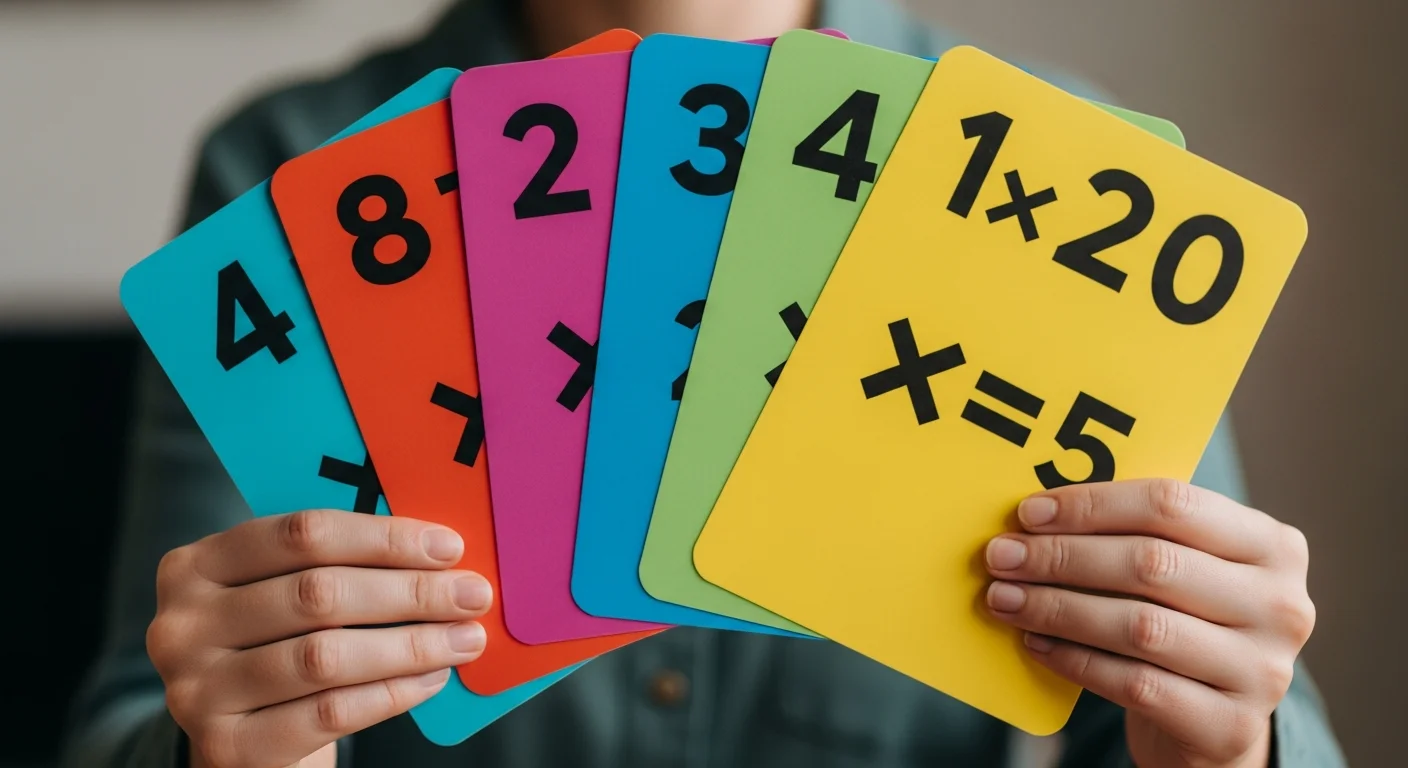
Classic flashcards remain a powerful tool for rapid recall of multiplication tables, addition/subtraction facts, and number bonds. To enhance their effectiveness:
- Categorize: Create sets for specific number families or operations.
- Timed Challenges: Use flashcards for quick fire rounds to build speed.
- Interactive Games: Incorporate flashcards into games like “memory” or “snap” to add an element of fun.
Number Lines and Manipulatives
For students who benefit from visual and tactile learning, number lines and manipulatives are indispensable. These tools help conceptualize mathematical relationships and operations.
- Number Lines: Useful for demonstrating addition, subtraction, counting on/back, and understanding place value.
- Counters, Blocks, and Cubes: Excellent for teaching addition, subtraction, grouping, and early multiplication concepts through hands-on exploration.
- Hundred Grids: These grids provide a visual representation of numbers 1-100, aiding in pattern recognition, skip counting, and understanding number sequences.
Whiteboards and Practice Sheets
Individual whiteboards offer immediate feedback and a low-stakes environment for students to work through problems. Customized practice sheets, whether printed or digital, allow for targeted reinforcement of specific skills.
- Problem Creation: Encourage students to create their own mental maths problems for peers to solve.
- Step-by-Step Solving: Use whiteboards to demonstrate the thought process for solving complex mental calculations.
Integrating Mental Maths Tools into Daily Instruction
The most effective integration of mental maths tools occurs when they are woven seamlessly into the fabric of daily lessons, rather than being treated as isolated activities.
Warm-Up Activities
Begin each lesson with a short mental maths warm-up. This could involve a quick round of flashcards, a short online game, or a few problems on the IWB. This primes students’ brains for mathematical thinking.
Differentiated Instruction
Recognize that students learn at different paces. Use a variety of tools to cater to diverse needs:
- Support for Struggling Learners: Provide manipulatives, number lines, and simpler digital games.
- Challenges for Advanced Learners: Offer more complex word problems, timed tests, and advanced online platforms.
Gamification and Competition
Incorporate elements of play and friendly competition to boost engagement. Leaderboards, team challenges, and reward systems can motivate students to strive for improvement.

Regular Assessment and Feedback
Utilize the data from digital tools and observe student performance with traditional tools to assess progress. Provide consistent, constructive feedback to help students understand their strengths and areas for development.
Conclusion
Equipping your classroom with a diverse range of mental maths tools, from cutting-edge digital platforms to tried-and-true manipulatives, is an investment in your students’ mathematical futures. By thoughtfully selecting and strategically integrating these resources, educators can cultivate confident, competent, and enthusiastic young mathematicians capable of tackling challenges with speed and accuracy. The journey to mental maths mastery is a continuous one, and the right tools serve as essential companions on that path.