The Ofsted Verdict: How Educational Apps Like Hit The Button Are Being Scrutinised In UK Primary Schools.
The Ofsted Verdict: How Educational Apps Like Hit the Button Are Being Scrutinised in UK Primary Schools
The Evolving Landscape of Primary Education Technology
UK primary schools are increasingly integrating digital tools into their teaching strategies. Educational apps, designed to enhance learning in specific subject areas, have become particularly popular. Among these, gamified learning platforms like ‘Hit the Button’ are a common sight in classrooms, offering engaging ways to practice essential skills such as times tables and arithmetic. However, as technology becomes more entrenched in education, regulatory bodies like Ofsted are paying closer attention to the effectiveness and pedagogical soundness of these digital resources.
Table of Contents
- The Ofsted Verdict: How Educational Apps Like Hit the Button Are Being Scrutinised in UK Primary Schools
- The Evolving Landscape of Primary Education Technology
- Ofsted’s Stance on Educational Technology in Primary Schools
- Key Areas of Ofsted Scrutiny for Educational Apps:
- ‘Hit the Button’ and Similar Apps: A Closer Look
- Questions Ofsted Might Consider Regarding Apps Like ‘Hit the Button’:
- Navigating the Ofsted Framework with Digital Tools
- Actionable Information Gain for Schools:
- Conclusion: Technology as a Supportive, Not Dominant, Force
Ofsted’s Stance on Educational Technology in Primary Schools
Ofsted, the Office for Standards in Education, Children’s Services and Skills, plays a crucial role in evaluating the quality of education provided by schools. While Ofsted inspections don’t typically focus on specific apps by name, their assessment of a school’s curriculum, teaching quality, and pupil outcomes inherently includes an evaluation of the tools used. The focus is on whether these tools contribute positively to learning and development, rather than simply being present.
Key Areas of Ofsted Scrutiny for Educational Apps:
- Curriculum Alignment: Does the app support and enhance the established national curriculum objectives for mathematics in primary schools?
- Pedagogical Effectiveness: Is the app designed with sound educational principles? Does it promote deep understanding, rather than rote memorisation?
- Teacher Oversight and Integration: How are teachers using the app? Is it a supplementary tool, or is it dictating the learning experience? Are teachers able to monitor progress and provide targeted support based on app data?
- Pupil Engagement and Progress: Does the app genuinely engage pupils? More importantly, does it lead to measurable improvements in their mathematical fluency and confidence?
- Digital Safety and Wellbeing: While not always a primary focus for learning apps, Ofsted does consider the broader digital environment of the school, including aspects of online safety.
‘Hit the Button’ and Similar Apps: A Closer Look
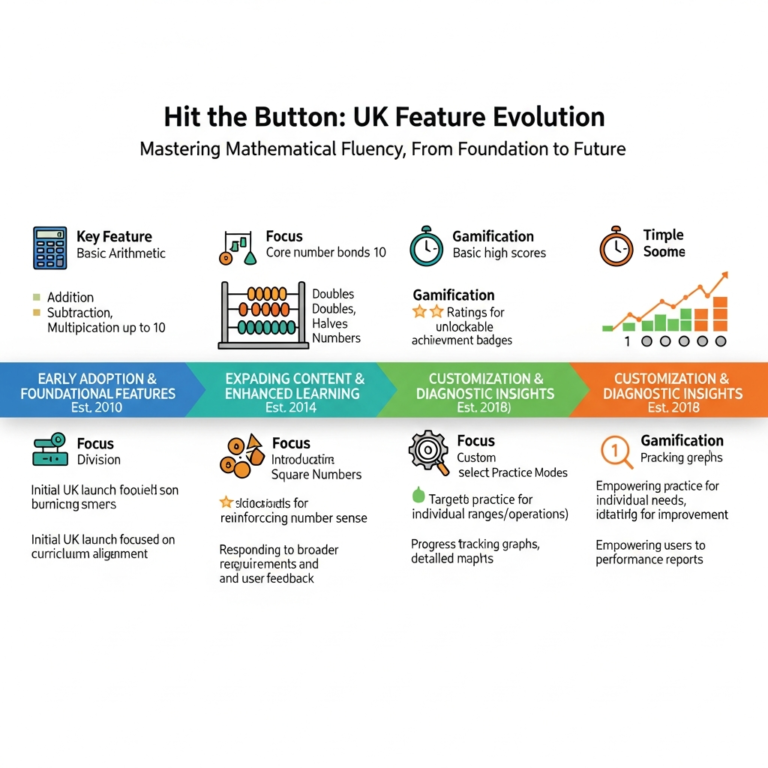
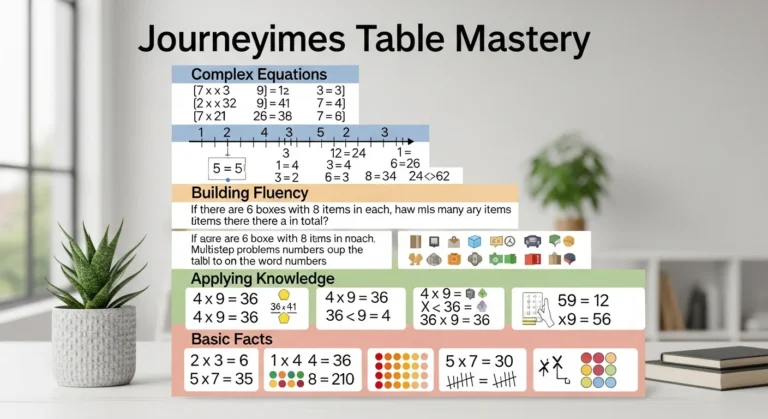
‘Hit the Button’ is a prime example of a popular math facts practice app. Its strengths lie in its gamified approach, which can motivate children and make repetitive practice more enjoyable. The immediate feedback and scoring systems are designed to encourage mastery. However, Ofsted’s inspection criteria would look beyond the immediate fun factor.
Questions Ofsted Might Consider Regarding Apps Like ‘Hit the Button’:
- Depth of Understanding: Does the app, by focusing on rapid recall, inadvertently discourage a deeper conceptual understanding of multiplication and division?
- Differentiation: How effectively can teachers differentiate the app’s use for pupils with varying learning needs and paces?
- Data Utilisation: Is the data generated by the app being effectively used by teachers to inform their instructional decisions, or is it merely a record of scores?
- Balance with Other Methods: Is the app used in conjunction with a variety of other teaching methods, including hands-on activities, problem-solving, and conceptual explanations?
- Screen Time Considerations: Is the amount of time spent on the app proportionate to other learning activities?
Navigating the Ofsted Framework with Digital Tools
For schools to effectively leverage educational apps like ‘Hit the Button’ and satisfy Ofsted’s expectations, a strategic approach is essential. This involves ensuring that technology serves as a tool to enhance teaching and learning, rather than as a replacement for sound pedagogical practice. Teachers need to be trained not just in how to operate the app, but in how to integrate it meaningfully into their broader mathematics curriculum.
Actionable Information Gain for Schools:
- Curriculum Mapping: Before adopting any app, map its content and learning objectives directly against the school’s mathematics curriculum and Ofsted’s expectations for mastery.
- Teacher Professional Development: Invest in training that focuses on pedagogical integration of apps, data analysis, and differentiation strategies.
- Balanced Approach: Ensure a healthy balance between digital practice and other forms of learning, such as problem-solving, reasoning, and concrete manipulation of objects.
- Data-Informed Instruction: Train teachers to interpret app data to identify individual and group learning gaps, and to use this information to tailor future lessons and interventions.
- Evidence of Impact: Schools should be able to demonstrate, through pupil work, assessments, and teacher observations, how the use of apps contributes to improved learning outcomes and a deeper understanding of mathematical concepts.
Conclusion: Technology as a Supportive, Not Dominant, Force
The scrutiny of educational apps by Ofsted is not about discouraging innovation but about ensuring that technology genuinely benefits pupils. Apps like ‘Hit the Button’ can be valuable assets when used thoughtfully and strategically. By focusing on curriculum alignment, pedagogical effectiveness, and tangible pupil progress, primary schools can confidently integrate these tools, knowing they are not only engaging their students but also meeting the high standards set by Ofsted.