Screen Time Vs. Smart Time: The UK Parental Debate On Hit The Button’s Role In Holiday Learning (Dec 2025).
Screen Time vs. Smart Time: The UK Parental Debate on Hit the Button’s Role in Holiday Learning (Dec 2025)
As December 2025 approaches, UK parents are increasingly grappling with the perennial question: how to balance screen time with productive, enriching activities for their children during school holidays. The rise of engaging educational apps, like the popular ‘Hit the Button’ math game, has intensified this debate. This guide explores the evolving landscape of children’s screen time, focusing on the specific value proposition of gamified learning platforms and their place in a balanced holiday strategy.
Table of Contents
Understanding the Parental Dilemma
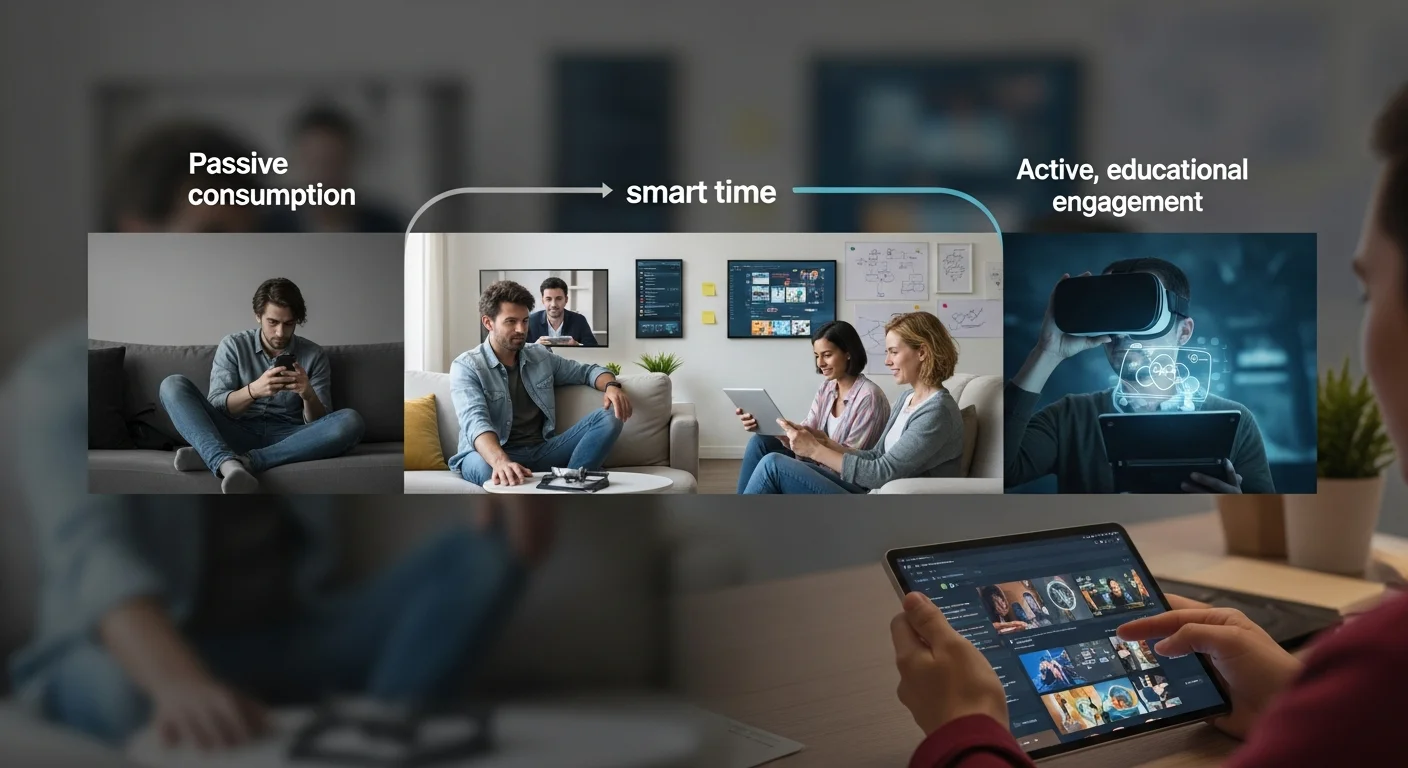
The fear of excessive passive screen consumption – often associated with social media scrolling, gaming without educational value, and endless video streaming – is a well-documented concern for parents. However, categorising all screen time as detrimental is an oversimplification. Educational technology, when thoughtfully integrated, can offer significant cognitive benefits. The challenge lies in differentiating between ‘screen time’ and ‘smart time’ – activities that actively engage a child’s mind and foster learning, even when mediated by a digital device.
Hit the Button: A Case Study in Smart Time
‘Hit the Button’, a well-established resource for practicing fundamental math facts, exemplifies the potential of ‘smart time’. Unlike many purely entertainment-focused games, ‘Hit the Button’ is designed with specific pedagogical goals: to improve fluency, speed, and accuracy in essential mathematical operations. During the holiday period, when structured learning is absent, such platforms can serve as valuable tools for reinforcing classroom knowledge and preventing the dreaded ‘summer slide’ (or in this case, the ‘Christmas learning dip’).
Key Features Contributing to Smart Time Value:
- Targeted Skill Development: Focuses on crucial arithmetic skills (multiplication, division, addition, subtraction).
- Immediate Feedback and Reinforcement: Provides instant correction, helping children learn from mistakes quickly.
- Gamified Motivation: Utilises points, leaderboards (if applicable), and progress tracking to keep children engaged and encourage practice.
- Adaptive Difficulty: Many versions adjust challenges based on the child’s performance, ensuring they are neither bored nor overwhelmed.
- Accessibility and Convenience: Available on various devices, making it easy to access anytime, anywhere.
Integrating ‘Hit the Button’ into a Balanced Holiday Schedule
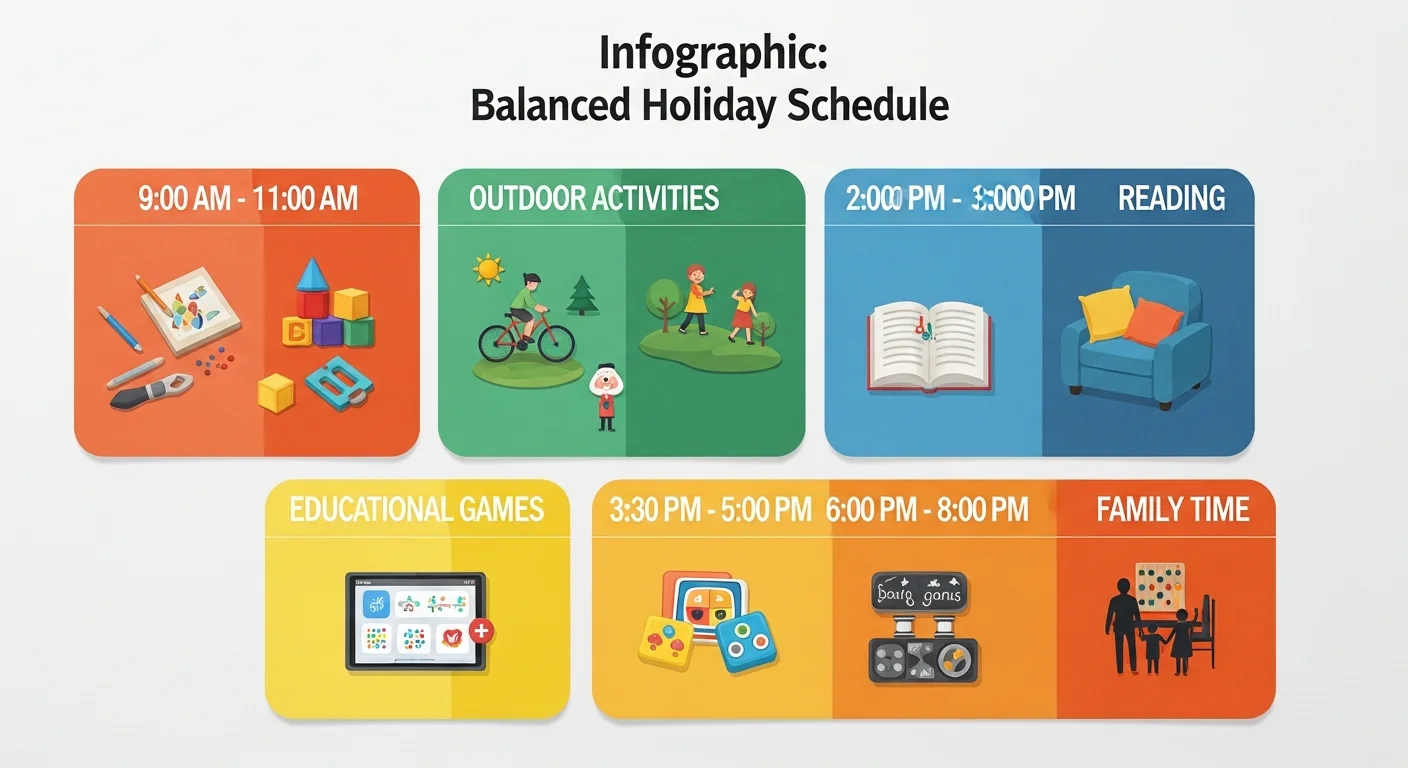
The key to leveraging ‘Hit the Button’ and similar resources effectively lies in intentional integration. Rather than allowing unfettered access, parents can create structured opportunities for ‘smart time’. This might involve:
* Designated ‘Math Minutes’: Setting aside specific, short periods (e.g., 15-20 minutes daily) for focused practice.
* Reward Systems: Linking ‘smart time’ activities with tangible rewards or privileges, reinforcing the positive association.
* Collaborative Play: Encouraging siblings or parents to play ‘Hit the Button’ together, fostering a fun, competitive learning environment.
* Connecting to Real-World Math: Discussing how the skills practiced on ‘Hit the Button’ apply to everyday situations, such as shopping or cooking.
Addressing Concerns and Maximising Benefits
While ‘Hit the Button’ offers significant advantages, it’s crucial for parents to remain mindful of the broader context of their child’s holiday experience. The goal is not to replace all other activities with screen-based learning, but to supplement them. Over-reliance on any single activity, digital or otherwise, can be counterproductive. Parents should also:
* Monitor Usage: Ensure children are not spending excessive amounts of time, even on educational games.
* Encourage Variety: Balance ‘smart time’ with physical activity, creative pursuits, and social interaction.
* Facilitate Offline Learning: Complement digital learning with hands-on activities, reading, and real-world exploration.
* Engage in Conversation: Talk to children about what they are learning and how they are progressing.

The UK parental debate on screen time is evolving. As digital resources like ‘Hit the Button’ become more sophisticated and pedagogically sound, they offer a compelling pathway to ‘smart time’ that can enrich children’s learning during school holidays. By adopting a balanced approach, parents can harness the power of these tools to foster academic progress without sacrificing essential childhood experiences.