
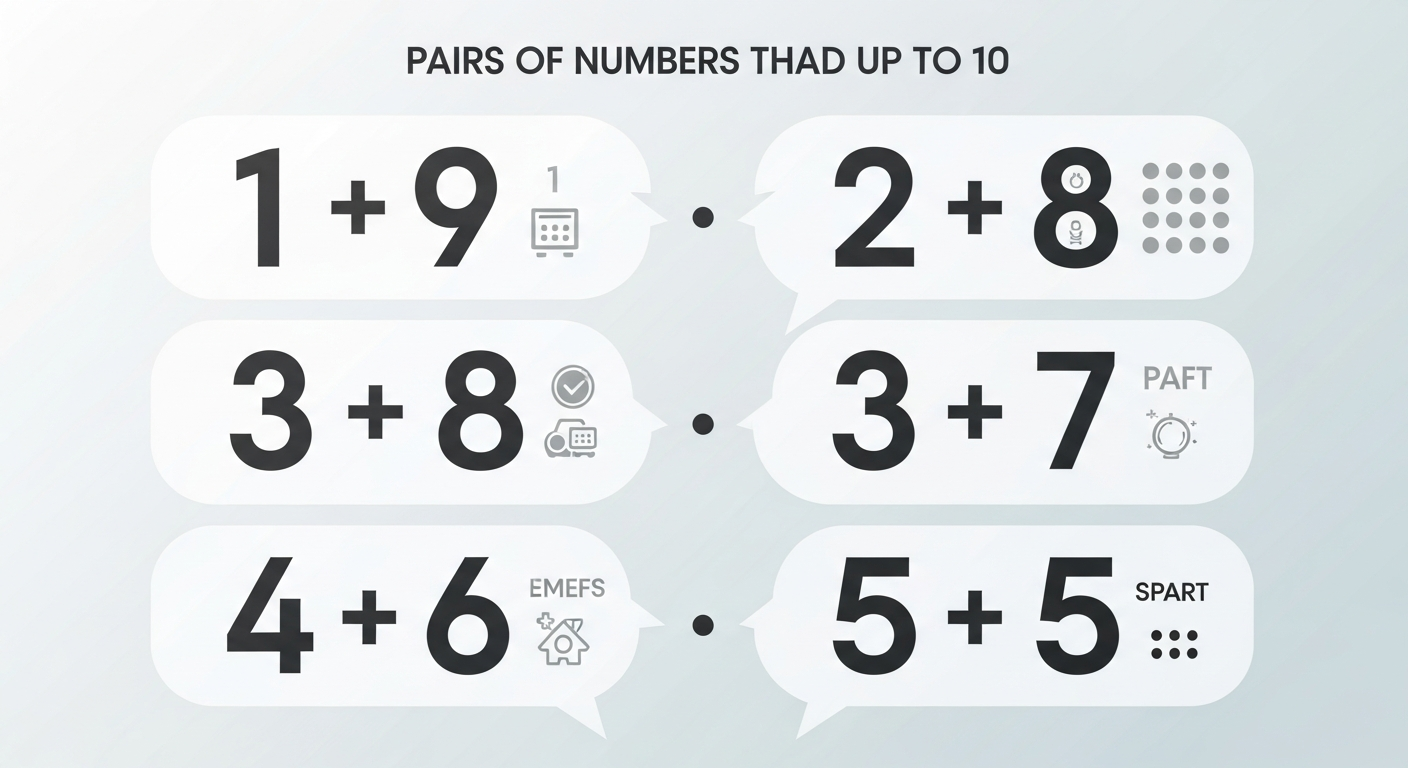
Hit The Button Number Bonds To 10
Mastering Number Bonds to 10: A Comprehensive Guide for Hit the Button Players
Understanding number bonds to 10 is a foundational skill in mathematics, crucial for developing fluency and confidence in arithmetic. The “Hit the Button” game provides a highly engaging and effective platform for children to practice and master these essential relationships between numbers. This expert guide will delve into the mechanics of number bonds to 10 within the context of Hit the Button, offering strategies and insights for maximizing learning and achieving dominance.
Table of Contents
- Mastering Number Bonds to 10: A Comprehensive Guide for Hit the Button Players
- What are Number Bonds to 10?
- Why “Hit the Button” Excels at Teaching Number Bonds to 10
- Strategies for Dominating “Hit the Button” Number Bonds to 10
- Troubleshooting Common Challenges
- Frequently Asked Questions about Number Bonds to 10
What are Number Bonds to 10?
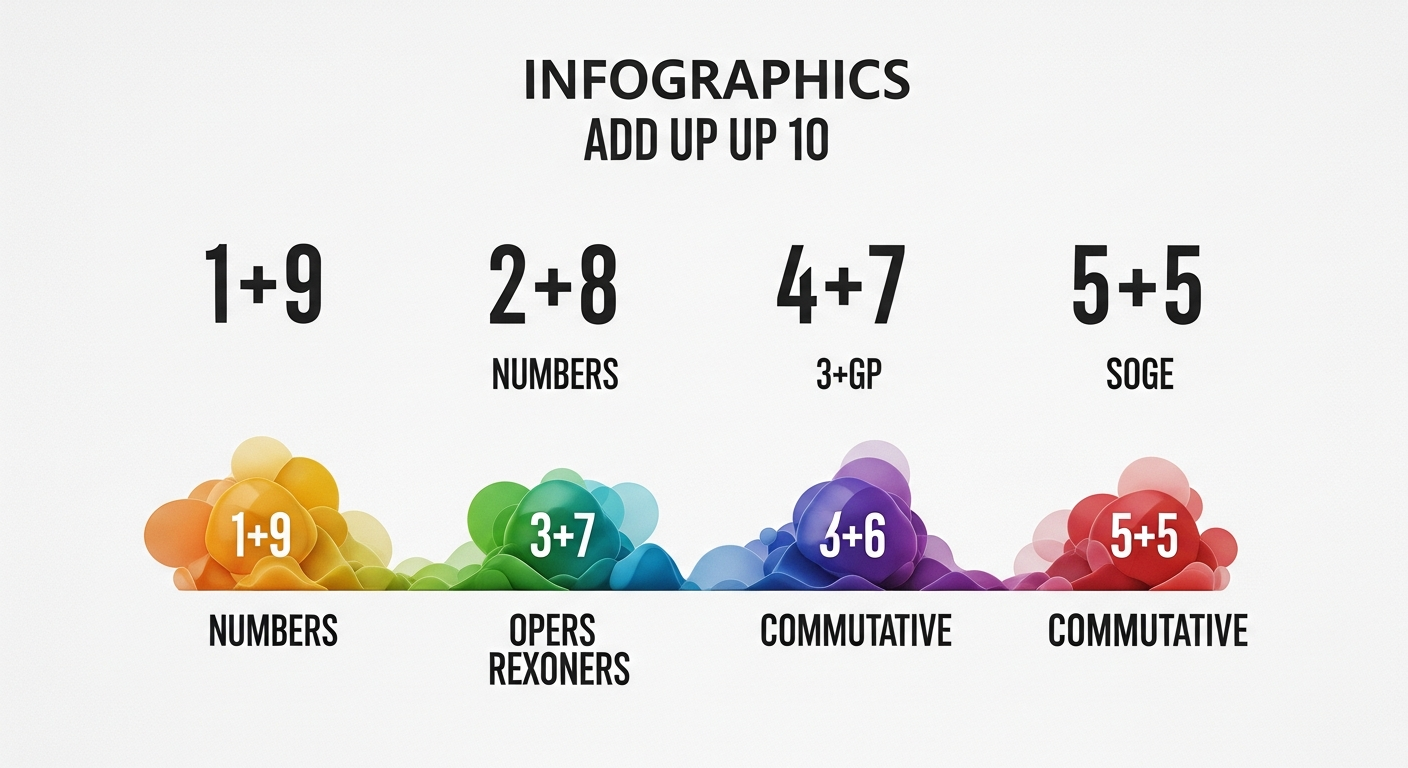
Number bonds to 10 are simply pairs of numbers that add up to 10. For instance, 3 and 7 form a number bond to 10 because 3 + 7 = 10. Other examples include 1 + 9, 2 + 8, 4 + 6, and the special case of 5 + 5. Crucially, the order of the numbers doesn’t change the sum (e.g., 7 + 3 also equals 10), which is known as the commutative property. Mastering these pairs allows children to quickly recall these sums, which is vital for more complex calculations, such as addition and subtraction with larger numbers, and even multiplication and division facts.
Why “Hit the Button” Excels at Teaching Number Bonds to 10
The “Hit the Button” game, specifically the “Number Bonds to 10” category, transforms rote memorization into an exciting challenge. Its core mechanics are designed to reinforce these bonds through repeated, timed exposure.
Key Features of “Hit the Button” for Number Bonds:
* **Timed Challenges:** The element of time pressure encourages quick recall and automaticity. Players must rapidly identify the missing number to complete a sum of 10.
* **Visual and Auditory Feedback:** Correct answers are met with positive reinforcement, while incorrect answers prompt a chance to re-evaluate. This immediate feedback loop is critical for learning.
* **Repetition and Variation:** The game cycles through various number bond combinations, ensuring comprehensive exposure. It presents problems in different formats, such as “6 + ? = 10” or “? + 4 = 10”, solidifying the understanding that both addends are important.
* **Progressive Difficulty:** While “Number Bonds to 10” is a specific category, the inherent speed and accuracy required naturally push players to improve. As players get faster, they internalize the bonds more deeply.
* **Gamification:** The competitive aspect, whether against oneself or others, provides strong motivation. The desire to achieve a higher score or beat a personal best directly drives practice.
Strategies for Dominating “Hit the Button” Number Bonds to 10
To truly master number bonds to 10 and excel at this game, a strategic approach is essential.
1. Visualisation and Physicalisation Techniques:
Before even touching the game, encourage visual and physical methods to internalize the bonds.
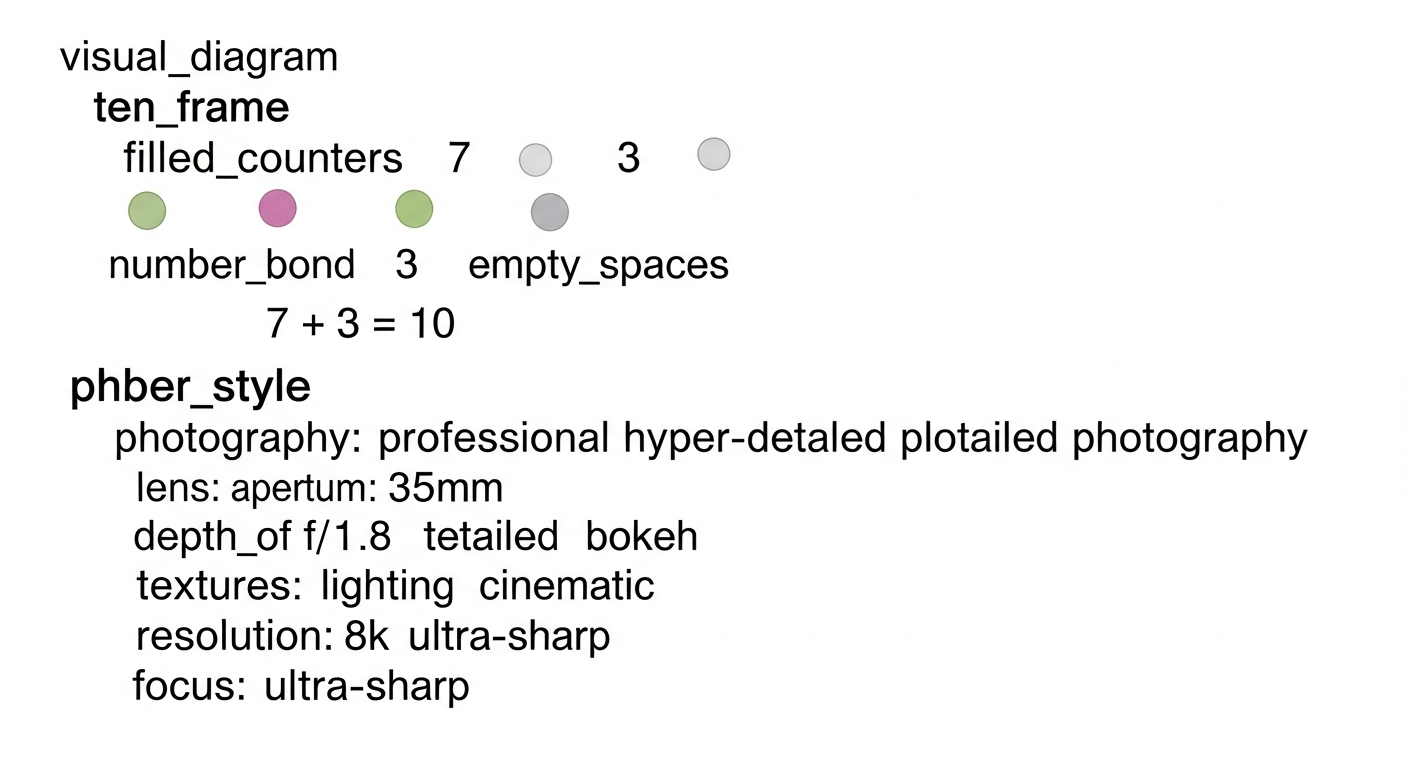
* **Ten Frames:** Using a ten frame (a 10-square grid) is an excellent visual aid. Fill it with 10 counters. If you have 3 counters, the remaining empty spaces represent the number needed to make 10 (which is 7).
* **Finger Counting:** Children can use their fingers to represent numbers up to 10. If they hold up 4 fingers, they can quickly see that they need 6 more fingers to make a total of 10.
* **Number Bond Diagrams:** Draw circular diagrams with a central number (10) and two connecting circles for the addends. This visual representation reinforces the relationship.
2. Targeted Practice within the Game:
* **Focus on Weaknesses:** Observe which number bonds the player struggles with most. Is it the 9+1 bond, or the 6+4 bond? Dedicate extra practice sessions to these specific pairs.
* **Play in Short Bursts:** Rather than long, fatiguing sessions, shorter, more frequent practice sessions are more effective for retention.
* **Vary the Game Mode (if applicable):** While focusing on “Number Bonds to 10,” briefly exploring other related modes (like “Number Bonds to 20”) can reinforce the concept of making 10 as a stepping stone.
3. Understanding the “Why”:
Explain to children *why* these bonds are important. For example, when adding 7 + 5, they can think: “7 needs 3 to make 10. I have 5, which is 3 plus 2. So, 7 + 3 is 10, and then I add the remaining 2, which makes 12.” This decomposition strategy is a direct application of number bonds to 10.
4. Consistent Review:
Periodically revisit number bonds even after they seem mastered. Quick, informal quizzes or playing the game for fun can keep the knowledge sharp.
Troubleshooting Common Challenges
* **Speed Issues:** If speed is the main problem, focus on visualising the number bond pairs without even looking at the screen.
* **Forgetting Bonds:** This indicates a need for more consistent, spaced repetition, both through the game and other methods like flashcards.
* **Confusing Bonds:** Ensure a solid understanding of each individual bond before expecting rapid recall.
By employing these strategies and leveraging the powerful interactive nature of “Hit the Button,” children can develop a deep and lasting mastery of number bonds to 10, setting a strong foundation for all future mathematical endeavors.
Frequently Asked Questions about Number Bonds to 10
* **What are the most common number bonds to 10?**
The pairs are 1+9, 2+8, 3+7, 4+6, and 5+5, along with their reversed versions (e.g., 9+1).
* **Why is mastering number bonds to 10 important for maths?**
It’s crucial for mental arithmetic, addition and subtraction fluency, and understanding place value.
* **How can parents help their children practice number bonds to 10?**
Use games like “Hit the Button,” flashcards, ten frames, and everyday conversations that involve making 10.
* **What if my child is struggling to remember the bonds?**
Focus on visual aids, physical manipulation (like using counters), and break down practice into shorter, more frequent sessions. Celebrate small victories.
* **Is there a point where number bonds to 10 are no longer relevant?**
No, number bonds to 10 remain relevant as a building block for all subsequent mathematical concepts, including making tens when adding larger numbers.