Child Care Costs More Than Rent In Most Metro Areas. Why Can't We Fix That?
The Unbearable Cost of Child Care: A National Crisis
The recent headline, “Child Care Costs More Than Rent in Most Metro Areas. Why Can’t We Fix That?” rings alarm bells for families across the United States. This isn’t just a financial strain; it’s a systemic issue impacting economic mobility, workforce participation, and the fundamental well-being of our children. As a nation, we grapple with a childcare system that is simultaneously inaccessible, unaffordable, and often of inconsistent quality. The reasons behind this crisis are multifaceted, stemming from a complex interplay of market forces, underfunding, and a lack of policy prioritization.
Table of Contents
- The Unbearable Cost of Child Care: A National Crisis
- The Economics of Child Care: A Broken Model
- Policy Failures and Underinvestment
- The Long-Term Consequences for Children and the Economy
- Solutions for a Sustainable Future
- Frequently Asked Questions
- What is the average cost of childcare in the US?
- Why is childcare so expensive?
- What is the impact of high childcare costs on working parents?
- What are some potential solutions to make childcare more affordable?
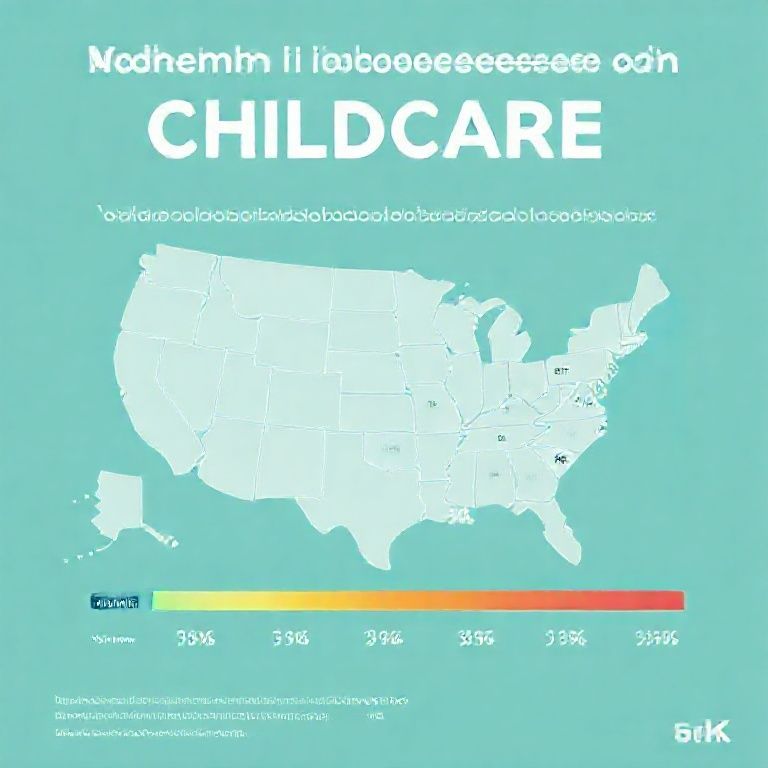
The Economics of Child Care: A Broken Model
At its core, the high cost of childcare is driven by a fundamental economic imbalance. The industry is heavily reliant on low-wage labor, yet it must charge exorbitant prices to cover operational expenses, including staffing, facility costs, insurance, and regulatory compliance. This creates a vicious cycle:
- Low Wages Attract Fewer Qualified Staff: Child care providers are often paid significantly less than other professions requiring similar levels of education and responsibility. This leads to high turnover rates and a shortage of experienced educators.
- High Staff-to-Child Ratios: To ensure safety and quality, regulations mandate specific staff-to-child ratios. When qualified staff are scarce, centers struggle to meet these requirements, further limiting enrollment and increasing per-child costs.
- Limited Profit Margins: Despite high tuition fees, many childcare centers operate on razor-thin profit margins. This prevents them from investing in better resources, higher salaries, or significant expansion.
- Parental Affordability Gap: For most families, the cost of childcare represents a significant portion of their income, often exceeding housing expenses. This forces difficult choices, with many parents – predominantly mothers – scaling back work hours or leaving the workforce entirely, impacting their long-term earning potential and contributing to the gender wage gap.
Policy Failures and Underinvestment
The current childcare landscape is also a product of decades of insufficient public investment and fragmented policy. Unlike many developed nations where childcare is viewed as a public good and heavily subsidized, the US system places the primary financial burden on individual families.
- Lack of Universal Access: There is no guaranteed right to affordable childcare. Waiting lists are long, and availability is scarce, especially for infants and toddlers.
- Inadequate Subsidies: While some federal and state subsidies exist, they often fall short of covering the actual cost of care and have strict eligibility requirements, leaving many middle-income families struggling.
- Fragmented Regulation: Licensing and quality standards vary significantly by state, leading to a patchwork of regulations that can be difficult to navigate and sometimes fail to ensure consistent high-quality care.
- Limited Support for Providers: Beyond tuition, childcare providers receive minimal public support for professional development, facility upgrades, or operational stability, making it difficult to attract and retain a skilled workforce.
The Long-Term Consequences for Children and the Economy
The implications of this childcare crisis extend far beyond the immediate financial strain on families.
- Child Development: High-quality early childhood education is crucial for cognitive, social, and emotional development. When cost or availability prevents access, children from lower-income backgrounds are disproportionately affected, potentially widening achievement gaps from an early age.
- Economic Productivity: The inability of parents to work due to childcare challenges represents a significant loss of economic productivity. Businesses suffer from reduced workforce participation, and the overall economy is hampered by this underutilization of human capital.
- Gender Inequality: The disproportionate burden of childcare on women often forces them to make career sacrifices, contributing to lower lifetime earnings and hindering their advancement in the workplace.
Solutions for a Sustainable Future
Addressing the childcare crisis requires a multi-pronged approach that recognizes childcare as essential infrastructure.
- Increased Public Investment: Significant federal and state investment is needed to subsidize the cost of care for families and raise wages for childcare professionals. This could take the form of direct subsidies, tax credits, or a universal childcare program.
- Support for Providers: Policies should focus on providing financial support for childcare centers to improve facilities, invest in professional development for staff, and increase compensation to attract and retain qualified educators.
- Streamlined Regulations: While maintaining high quality, regulations should be standardized and supportive of provider sustainability.
- Employer Partnerships: Encouraging businesses to offer childcare benefits or on-site care can alleviate some of the burden on working parents.
- Focus on Quality: Investment must prioritize not just access and affordability but also the quality of care, ensuring that children are in safe, nurturing, and educationally stimulating environments.
Fixing the childcare crisis is not just an economic imperative; it is a moral one. By investing in our youngest citizens and supporting the workforce that cares for them, we build a stronger, more equitable future for all.
Frequently Asked Questions
What is the average cost of childcare in the US?
The average cost of childcare in the US varies significantly by state and region, but national estimates show that center-based care for an infant can cost upwards of $10,000 to $20,000 or more annually, often exceeding the cost of in-state college tuition.
Why is childcare so expensive?
Childcare is expensive due to a combination of factors including low staff wages, high operating costs (rent, insurance, supplies), strict staff-to-child ratios required for safety, and a lack of sufficient public funding and subsidies to offset parental costs.
What is the impact of high childcare costs on working parents?
High childcare costs can force parents, particularly mothers, to reduce work hours, leave the workforce, or choose less demanding jobs, impacting their career progression, earning potential, and family financial stability. It can also lead to significant financial stress.
What are some potential solutions to make childcare more affordable?
Potential solutions include increasing government subsidies and tax credits for families, raising wages for childcare workers, expanding universal pre-kindergarten programs, offering employer-sponsored childcare benefits, and investing in childcare infrastructure.